Understanding Your Health Data: A Patient's Guide to Taking Control
Learn how to access, organize, and use your health data effectively. Discover the types of health information you should track and how digital tools can help you become an active participant in your healthcare journey.
Medically Reviewed
Reviewed by Dr. Sarah Johnson, MD, FAAFP on December 15, 2024
Your health data is one of your most valuable assets, yet many patients don’t know how to access, understand, or use it effectively. In today’s digital healthcare landscape, taking control of your health information is more important—and more achievable—than ever before.
What Is Health Data?
Health data encompasses all the information related to your health and medical care, including:
- Medical records from doctors, hospitals, and specialists
- Laboratory results and diagnostic test reports
- Prescription medication history
- Vital signs and biometric measurements
- Mental health and wellness tracking data
- Family medical history
- Insurance and billing information
Understanding these different components helps you see the complete picture of your health journey.
Why Your Health Data Matters
Better Healthcare Decisions
When you have comprehensive access to your health information, you can:
- Make more informed decisions about treatments and procedures
- Identify patterns in your health over time
- Prepare better for medical appointments
- Avoid duplicate tests and procedures
Improved Care Coordination
Having organized health data helps when:
- Switching healthcare providers
- Seeking second opinions
- Managing care across multiple specialists
- Dealing with emergency situations
How to Access Your Health Data
Your Legal Rights
Under federal laws like HIPAA, you have the right to:
- Request copies of your medical records
- Access your health information electronically
- Request corrections to inaccurate information
- Understand how your data is being used
Digital Health Platforms
Modern healthcare is increasingly digital, with options including:
- Patient portals from your healthcare providers
- Health record platforms that aggregate data from multiple sources
- Mobile health apps that track various health metrics
- Wearable devices that monitor physical activity and vital signs
Organizing Your Health Information
Create a Personal Health Record
A personal health record (PHR) should include:
-
Basic Information
- Contact information for all healthcare providers
- Insurance details
- Emergency contacts
-
Medical History
- Chronic conditions
- Past surgeries and procedures
- Allergies and adverse reactions
- Family medical history
-
Current Care
- Current medications and dosages
- Recent test results
- Upcoming appointments
- Care plans and treatment goals
Digital vs. Physical Records
Digital advantages:
- Easy to search and organize
- Can be shared quickly with providers
- Backup and security options
- Integration with health apps
Physical backup benefits:
- Accessible during technology failures
- Some providers may prefer paper copies
- Personal comfort with tangible records
Using Technology to Manage Health Data
Health Record Platforms
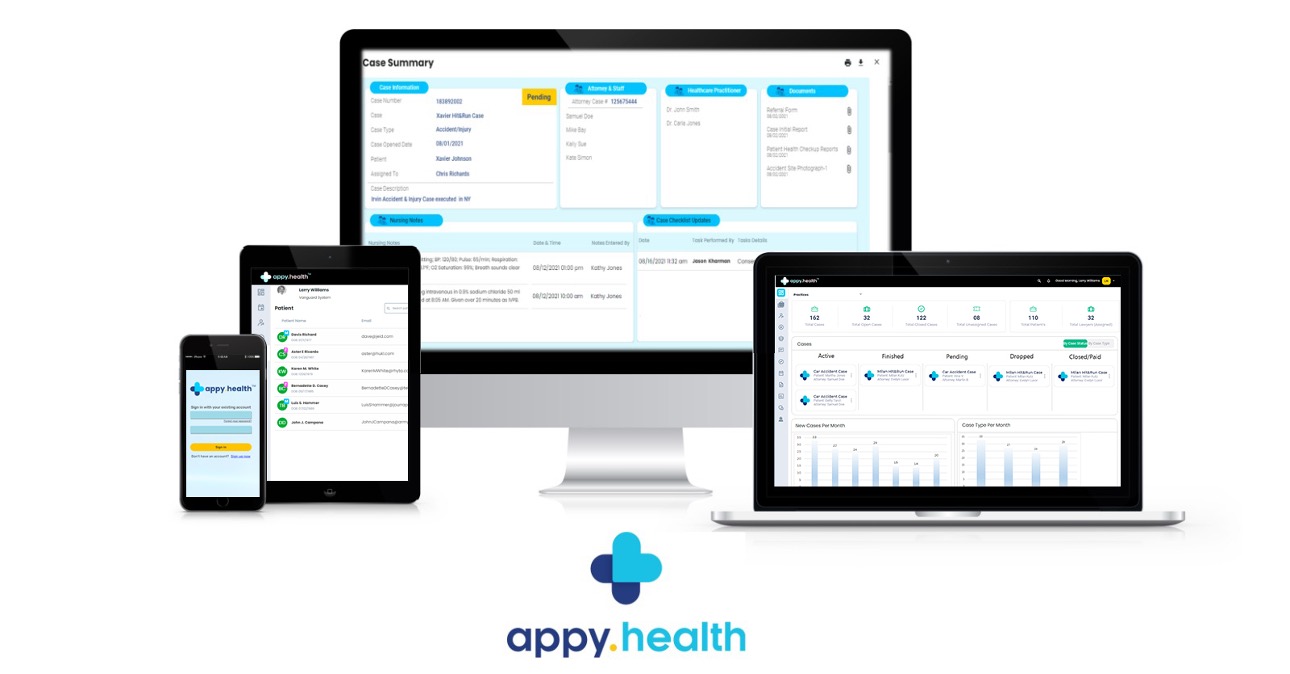
Comprehensive platforms like Appy Health’s Member Choice Technology offer:
- Centralized storage for all your health information
- Easy sharing with healthcare providers
- Automated updates from connected healthcare systems
- Smart insights that help identify health trends
Mobile Health Apps
Choose apps that offer:
- Secure data storage and transmission
- Integration with healthcare providers
- User-friendly interfaces
- Comprehensive tracking capabilities
Privacy and Security Considerations
Protecting Your Health Information
- Use secure passwords and enable two-factor authentication
- Verify app security before sharing sensitive information
- Understand privacy policies for all platforms you use
- Regularly review who has access to your data
Sharing Your Data Safely
When sharing health information:
- Only share with trusted healthcare providers
- Use secure, encrypted platforms
- Limit access to relevant information only
- Keep records of what you’ve shared and with whom
Making the Most of Your Health Data
Prepare for Medical Appointments
Use your organized health data to:
- Create comprehensive symptom timelines
- Track medication effectiveness
- Prepare questions for your healthcare provider
- Share relevant information efficiently
Monitor Health Trends
Regular tracking helps you:
- Identify patterns in symptoms or conditions
- Monitor the effectiveness of treatments
- Catch potential issues early
- Maintain motivation for healthy behaviors
Advocate for Your Care
With complete health information, you can:
- Ask informed questions about your care
- Seek appropriate second opinions
- Ensure continuity of care between providers
- Make confident decisions about treatment options
Getting Started Today
Immediate Steps You Can Take
- Request your medical records from all current healthcare providers
- Set up patient portal accounts for each provider
- Start tracking basic health metrics like blood pressure, weight, and medications
- Create a simple health summary document with your key health information
Building Long-term Habits
- Schedule regular data reviews to keep information current
- Set up automated tracking where possible
- Regularly backup your health information
- Stay informed about new tools and regulations
The Future of Health Data
Healthcare is moving toward more patient-centered, data-driven care. By taking control of your health information now, you’re positioning yourself to:
- Benefit from personalized medicine advances
- Participate in precision healthcare
- Maintain continuity as healthcare technology evolves
- Become a true partner in your healthcare journey
Conclusion
Your health data is a powerful tool for better healthcare outcomes, but only if you know how to access, organize, and use it effectively. By taking proactive steps to manage your health information, you’re not just organizing paperwork—you’re investing in your long-term health and wellbeing.
Remember, managing health data is an ongoing process, not a one-time task. Start small, be consistent, and gradually build a comprehensive system that works for your unique healthcare needs.
Ready to take control of your health data? Appy Health’s Member Choice Technology platform makes it easy to organize, access, and share your health information securely. Learn more about how we can help you become an active participant in your healthcare journey.
Tags
Medical Disclaimer
The information provided in this article is for educational purposes only and should not be considered as medical advice. Always consult with a qualified healthcare professional before making any healthcare decisions or changes to your treatment plan.